Oil Just Hit $109 a Barrel. The New Fed Chair Inherits a Problem He Didn’t Create.
Oil Just Hit $109 a Barrel. The New Fed Chair Inherits a Problem He Didn’t Create.
Finance & Business | May 17, 2026
Brent crude settled at $109.26 per barrel on Friday, up 3.35% on the day and 8.1% on the week, as the effective closure of the Strait of Hormuz kept global energy markets on edge. One day earlier, the US Senate confirmed Kevin Warsh as the new chairman of the Federal Reserve by a vote of 54 to 45. The timing is not kind to him.
Warsh, a former Fed governor who was passed over for the chairmanship in 2017, takes over from Jerome Powell at a moment when inflation has sat above the Fed’s 2% target for more than five years, oil is pushing toward levels not seen since the early days of the Ukraine war, and markets are pricing in a 45% chance of a rate hike before the end of the year. The one Democrat who crossed party lines to confirm him was Pennsylvania Senator John Fetterman.
What Is Driving the Oil Price
The proximate cause is the Iran conflict, which began on February 28 and has progressively disrupted one of the world’s most critical shipping chokepoints. Global oil supply has declined by 1.8 million barrels per day since April alone, bringing total supply losses since the conflict began to 12.8 million barrels per day against a global market that was producing roughly 95.1 million barrels per day before the disruption.
The Strait of Hormuz is not technically closed — some tankers are still moving — but insurance costs and security risks have effectively priced most commercial shipping out of the route. Oil that previously moved through the strait is either staying in the ground or finding longer, more expensive alternative paths to market.
West Texas Intermediate, the US benchmark, crossed $105 on Friday, closing at $104.90. The spread between Brent and WTI has compressed slightly as US producers try to fill supply gaps, but American production is already near capacity and cannot substitute for Persian Gulf volumes at scale.
What Warsh Inherits
The Federal Reserve’s mandate is price stability and maximum employment. Oil at $109 a barrel complicates both sides of that equation. Energy costs feed directly into headline inflation, and headline inflation is what consumers feel. It also raises input costs across manufacturing, transport, and agriculture, creating secondary inflationary pressure that takes longer to show up in the data but is harder to contain once it does.
Warsh is a known hawk. During his previous tenure at the Fed, he consistently argued for earlier tightening than the majority favored. The market is reading his confirmation as a signal that rates are more likely to rise than fall in the near term, which contributed to the Treasury yield surge that dragged tech stocks down on Friday.
The complicating factor is that higher rates slow economic activity, which in theory reduces demand and eventually brings prices down. But oil prices driven by a geopolitical supply shock do not respond to Fed rate moves the way demand-driven inflation does. Warsh cannot drill his way out of the Strait of Hormuz. What he can do is signal credibility on inflation, which matters for long-term inflation expectations even when the short-term cause is beyond the central bank’s reach.
What the Market Is Watching
Two things will determine whether the oil price spike is temporary or structural. The first is whether the Iran conflict produces a negotiated resolution or escalates further. The second is whether non-OPEC producers, particularly the US and Brazil, can meaningfully increase output to compensate for lost Gulf supply. Neither question has a clear answer this week.
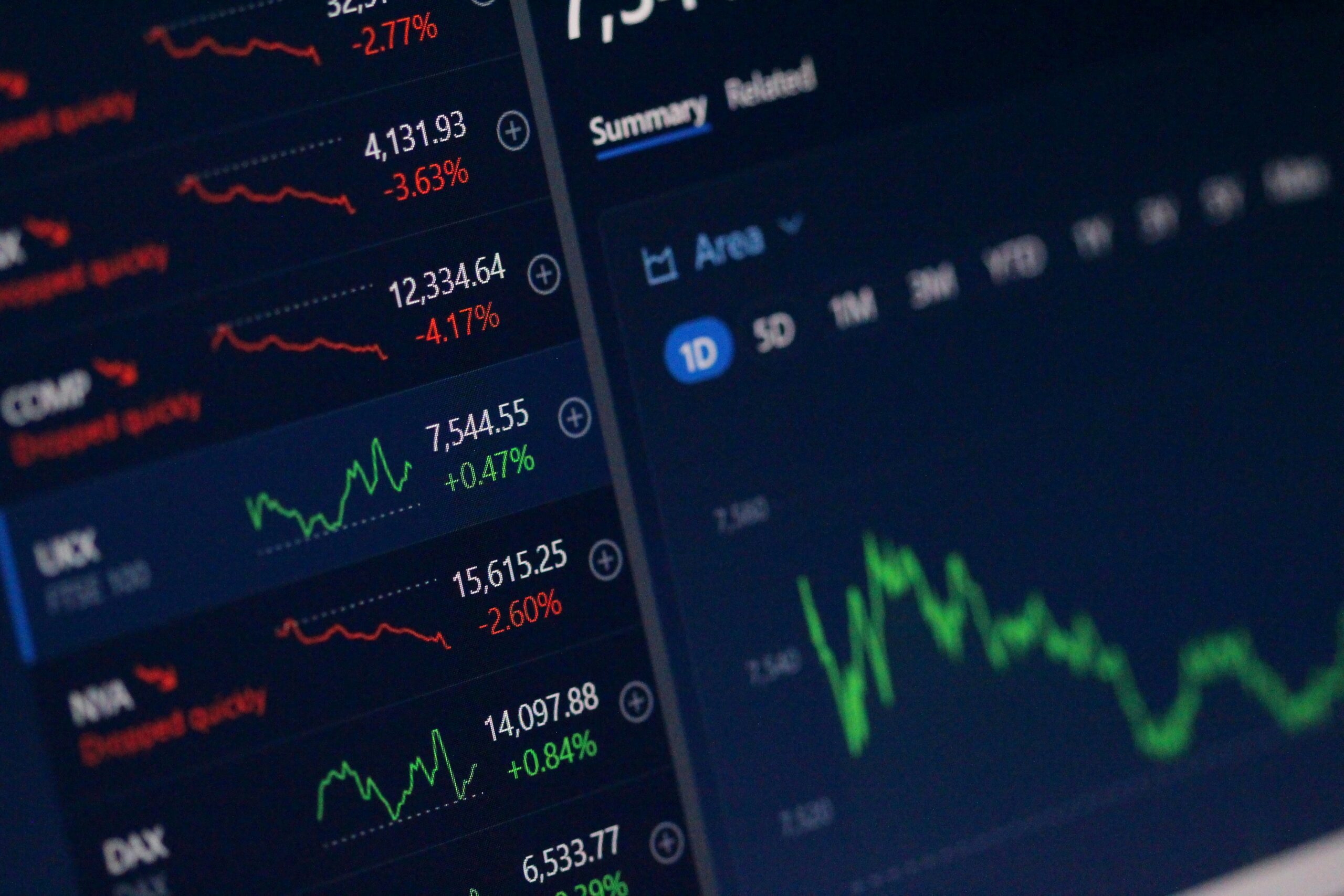
Stock markets closed lower on Friday. The Dow fell 1.07% to 49,526. The S&P 500 dropped 1.24% to 7,408. The Nasdaq lost 1.54%. Technology stocks led the decline, with Intel falling more than 6%, Advanced Micro Devices dropping 5.7%, and Micron losing 6.6%. All three had posted triple-digit gains earlier in the year on AI demand. Friday was a reminder that macro conditions exist independently of sector enthusiasm.
Sources: Intellectia AI | Yahoo Finance | CNBC